The International Statistical Seismology (StatSei)

The International Statistical Seismology (StatSei) workshop is a well-established biennial meeting focusing on state-of-the-art developments in statistical seismology. The meetings cover a wide range of topics, including statistical descriptions of earthquake occurrences, earthquake source physics, earthquake forecasting and forecast evaluation, and many more.
Starting in 1998, the meeting has been held in China (1998, 2013), New Zealand (2001, 2017), Mexico (2003), Japan (2006, 2019), Italy (2007), the United States of America (2009), Greece (2011), Germany (2015), and France (2022), China, (2024).

Statistical seismology is the application of rigorous statistical methods to earthquake science with the goal of improving our knowledge of how the Earth Works, especially the complex, unstable processes that lead to earthquake ruptures. A natural development is to design forecasting models that estimate probabilities of future earthquake occurrences for the purpose of earthquake disaster mitigation.
The following is an initial list of topics. The final version will be determined by the programming committee.

List of Topics
Statistical Seismicity Models

Focuses on the creation and refinement of mathematical frameworks to quantify and interpret patterns in earthquake catalogs, improving our fundamental understanding of seismic activity.

Physics of Earthquake Processes

Exploration of the mechanical and physical principles governing fault rupture, energy release, and the lithospheric conditions that lead to seismic events

Forecasting & Hazard Mitigation

Advancing earthquake predictability through rigorous testing, ground motion simulations, and the development of strategies to minimize the socio-economic impact of disasters.

Beyond Traditional Seismicity

Extending statistical tools to non-traditional areas, including seismic inversion, slow slip events, tremors, and the emerging field of extraterrestrial or planetary quakes.

AI & Bayesian Methodologies

Highlighting the cutting edge of data science in geophysics, from Bayesian inference to deep learning applications for automated detection and complex pattern recognition.

CSEP & Collaborative Research

Reviewing global progress in earthquake predictability through the Collaboratory for the Study of Earthquake Predictability (CSEP) and large-scale experimental seismic sites.

Abstract submission

1 March – 15 May
Important Dates:

  • Abstract submission period open.

    March 1 – May 15

  • Notification of acceptance of contributions.

    June 1 – June 14

  • Early registration period.

    June 1 – July 31

  • Late registration period.

    August 1 – September 30

  • STATSEI14 Conference.

    October 13 – October 16

KeyNote

Key Note
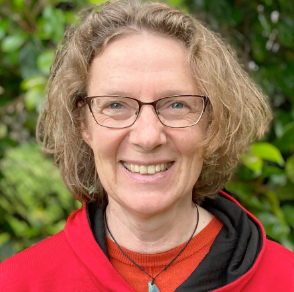
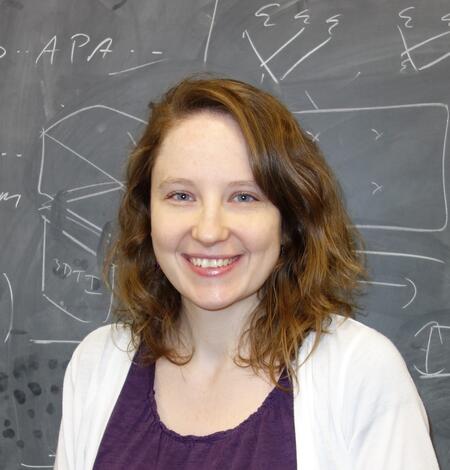
Annemarie Christophersen
Keynote Speaker

Keynote

Annemarie Christophersen
Keynote Speaker
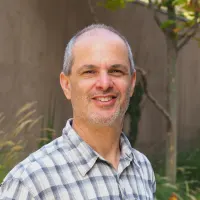
Sebastian Hainzl
Keynote Speaker

Keynote

Sebastian Hainzl
Keynote Speaker
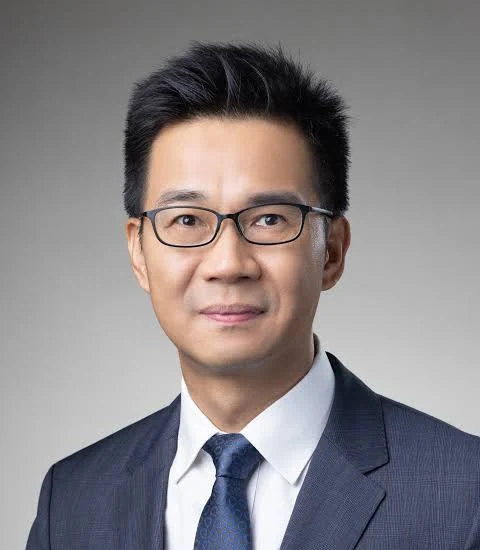
Jiancang Zhuang
Lecture ETAS models

Lecture ETAS models

Jiancang Zhuang
Lecture ETAS models
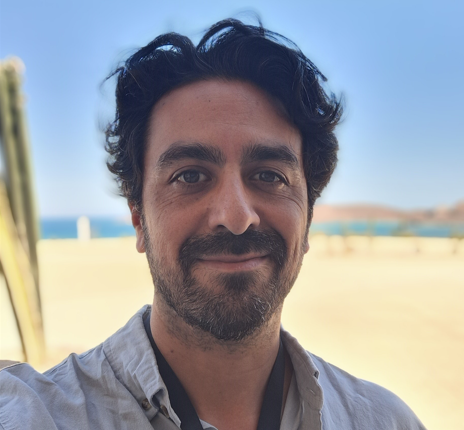
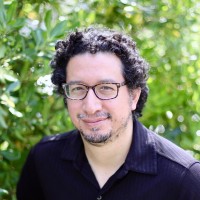
Francisco Plaza
Lecturer en AI applied to seismology

Lecturer en AI applied to seismology

Francisco Plaza
Lecturer en AI applied to seismology

STATSEI 14 Registrations

To participate in the congress, you must choose your profile.

Early Registration
ADVANCE REGISTRATION
$350
June 1 – July 31PAY
Congress Access
Courses
Coffee Break
Welcome Cocktail
Wine Tasting Tour.
Late Registration
ADVANCE REGISTRATION
$450
August 1 – September 30UPCOMING
Congress Access
Courses
Coffee Break
Welcome Cocktail
Wine Tasting Tour.
Student
ADVANCE REGISTRATION
$150
dates to be definedPAY
Congress Access
Courses
Coffee Break
Welcome Cocktail
Wine Tasting Tour.

Committee Local

Committee Local

Orietta Nicolis

Orietta Nicolis
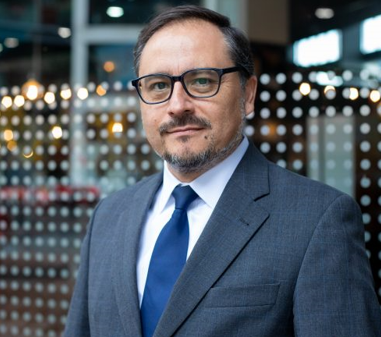
Alejandro Caroca Navarro

Alejandro Caroca Navarro
David Alfredo Ruete Zuñiga

David Alfredo Ruete Zuñiga
Cristian Rodrigo

Cristian Rodrigo
Mailyn Jaanai Calderon Diaz

Mailyn Jaanai Calderon Diaz
Jean Paul Maidana

Jean Paul Maidana
Danilo Esteban Leal Moraga

Danilo Esteban Leal Moraga

Juan Fredy González Carrasco

Juan Fredy González Carrasco
Carla Andrea Taramasco Toro

Carla Andrea Taramasco Toro
Billy Marck Peralta Márquez

Billy Marck Peralta Márquez
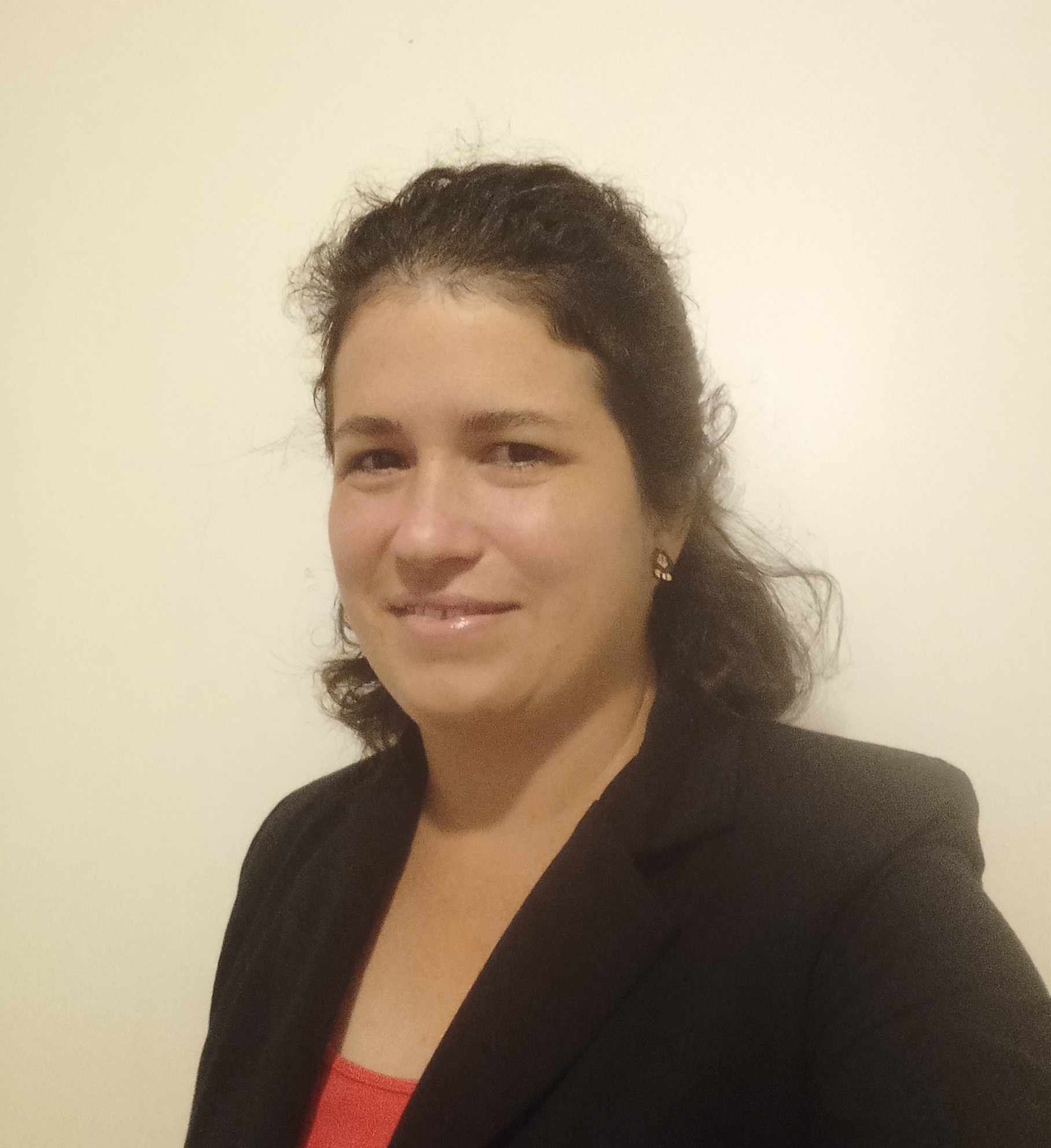
Mailiu Díaz Peña

Mailiu Díaz Peña
Giannina Valeska Costa Lizama

Giannina Valeska Costa Lizama
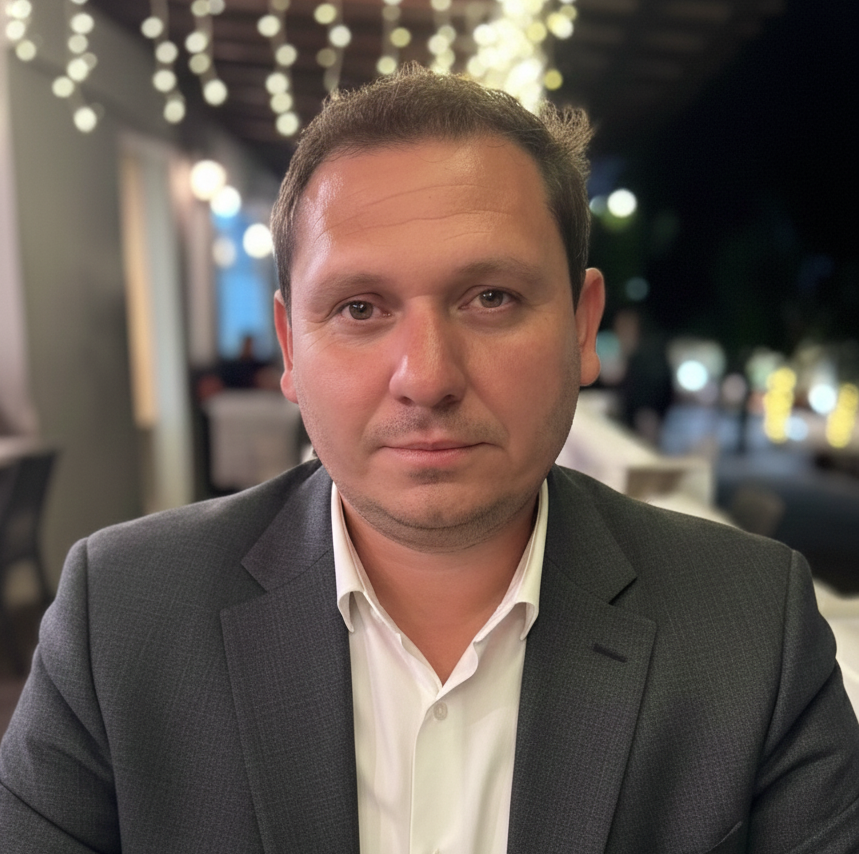
Eduardo Antonio Navarro Lorenzo

Eduardo Antonio Navarro Lorenzo
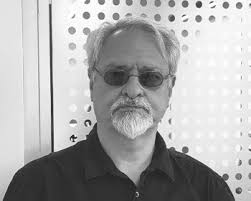
Hernan Astudillo

Hernan Astudillo
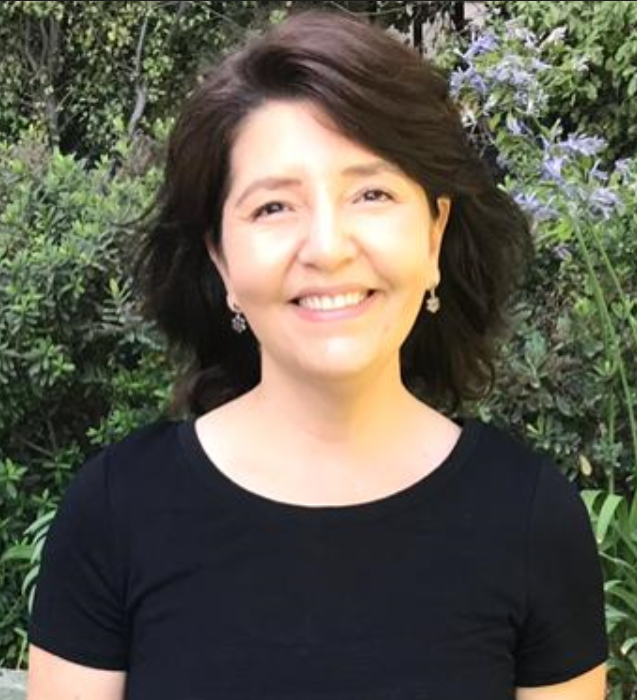
Alba Martinez Ruiz

Alba Martinez Ruiz
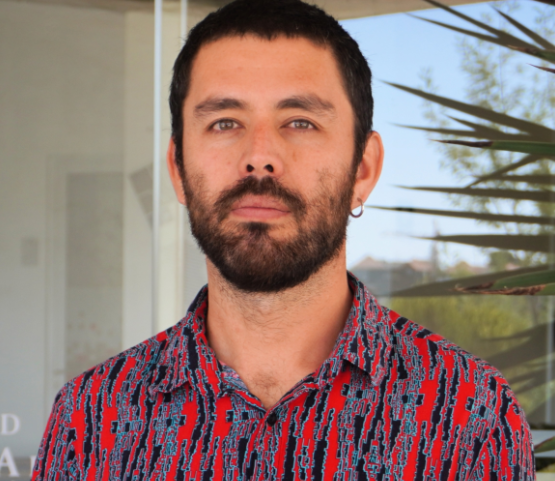
Dr. Luis Astudillo Sotomayor
Profesor Asociado, Escuela de Ciencias del Mar, PUCV
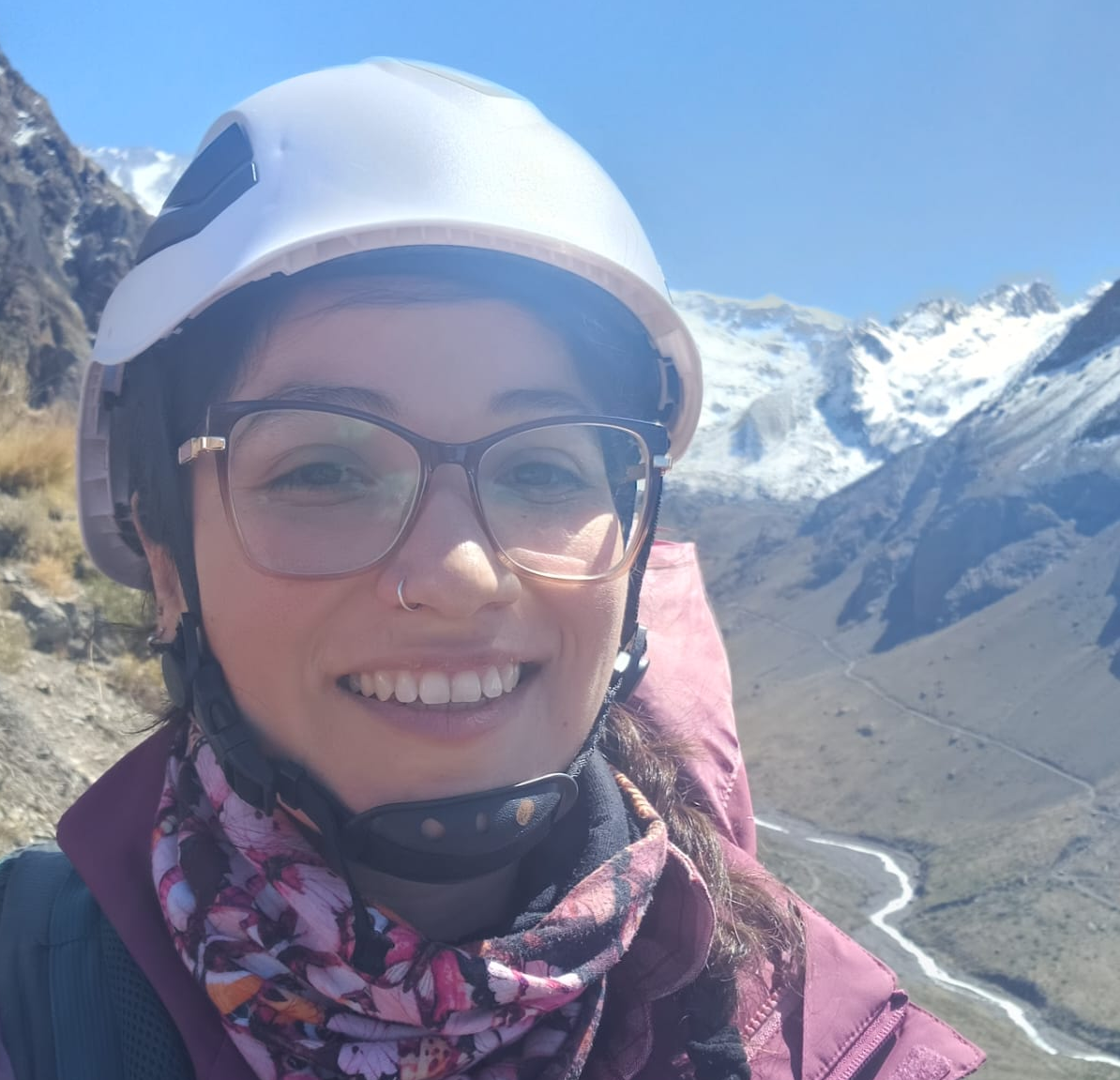
Dr. Luis Astudillo Sotomayor
Profesor Asociado, Escuela de Ciencias del Mar, PUCV
Dra. Camila Arróspide Vásquez
Profesora Adjunta, Escuela de Ciencias de la Tierra, UNAB
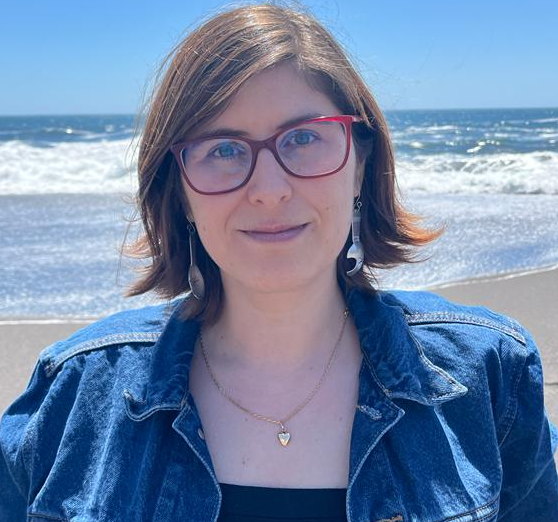
Dra. Camila Arróspide Vásquez
Profesora Adjunta, Escuela de Ciencias de la Tierra, UNAB
Dra. Catalina Morales Yáñez
Profesora Asistente, Departamento de Geofísica, UDEC

Dra. Catalina Morales Yáñez
Profesora Asistente, Departamento de Geofísica, UDEC

International Organizing Committee

International Organizing Committee
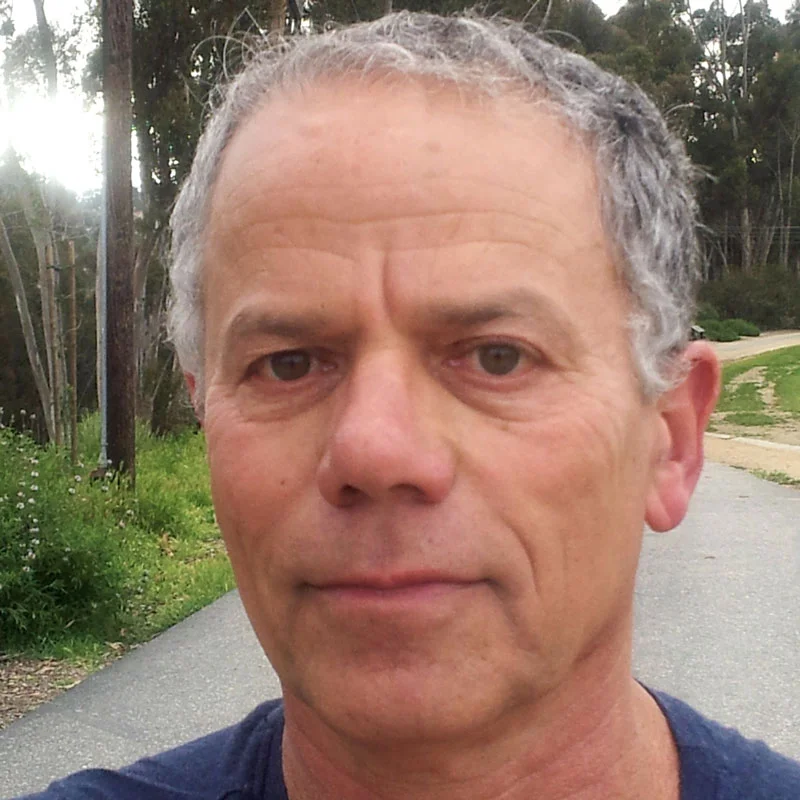
Yehuda Ben-Zion
USC/SCEC, Los Angeles, USA

Yehuda Ben-Zion
USC/SCEC, Los Angeles, USA
Annemarie Christophersen
GNS, Lower Hutt, New Zealand
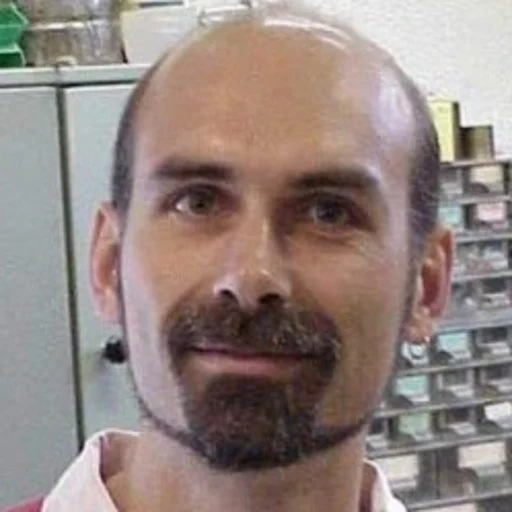
Annemarie Christophersen
GNS, Lower Hutt, New Zealand
David Marsan
USMB, Le Bourget du Lac, France

David Marsan
USMB, Le Bourget du Lac, France
Stefan Wiemer
ETH, Zurich, Switzerland

Stefan Wiemer
ETH, Zurich, Switzerland
Jiancang Zhuang
ISM, Tachikawa, Japan

Jiancang Zhuang
ISM, Tachikawa, Japan
Warner Marzocchi
U. Napoli, Italy

Warner Marzocchi
U. Napoli, Italy
Abhey Bansal
CSIR-NGRI, India

Abhey Bansal
CSIR-NGRI, India

Scientific Committe

Jean-Paul Ampuero
IRD-OCA, Nice, France

Jean-Paul Ampuero
IRD-OCA, Nice, France
Sebastian Hainzl
GFZ, Potsdam, Germany

Sebastian Hainzl
GFZ, Potsdam, Germany
Agnès Helmstetter
CNRS-UGA, Grenoble, France
Agnès Helmstetter
CNRS-UGA, Grenoble, France
Zachary Ross
CalTech, Pasadena, USA

Zachary Ross
CalTech, Pasadena, USA
Maximilian Werner
University of Bristol, UK

Maximilian Werner
University of Bristol, UK
Zhongliang Wu
IEF, CEA

Zhongliang Wu
IEF, CEA
Yongxian Zhang
IEF, CEA

Yongxian Zhang
IEF, CEA
Qifu Chen
IGG, CAS

Qifu Chen
IGG, CAS
Ting Wang
U. Otago, New Zealand

Ting Wang
U. Otago, New Zealand
Matthew Gerstenberger
GNS, New Zealand

Matthew Gerstenberger
GNS, New Zealand
Andrew Michael
USGS, USA

Andrew Michael
USGS, USA
Morgan Page
USGS, USA

Morgan Page
USGS, USA
Frederic Schoenberg
UCLA, USA

Frederic Schoenberg
UCLA, USA
Zhigang Peng
Georgia Tech,USA

Zhigang Peng
Georgia Tech,USA
Hongfeng Yang
CUHK

Hongfeng Yang
CUHK
Gang Luo
WHU

Gang Luo
WHU

StatSei 14 Congress

Below you will find the schedule for the Congress.

09:00 – 10:00

Institute of Statistical Mathematics, Japan

What Every Young Statistical Seismologist Should Know about ETAS Beyond Data Fitting:

History, Data Issues, Model Diagnostics, and Open Problems

11:00 – 11:30

Universidad de Santiago, Chile

Deep Learning Meets ETAS:

Practical Hybrid Workflows for Seismic Forecasting

12:30 – 14:00

Afternoon Session – Contributions

14:00 – 14:30

Earth Sciences - New Zealand

Earthquake forecasting in Aotearoa New Zealand:

Past, present and future

Scientific Session 1 – ETAS and Hawkes Models

15:30 – 15:50

Institute of Mining Seismology, South Africa

A Fractal-Support ETAS for Mining- Induced Seismicity

15:50 – 16:10

University of Chinese Academy of Sciences, China

Unraveling Seismicity in the Ridgecrest–Coso Region:

Statistical Characteristics and Tectonic Insights

16:10 – 16:30

CNRS, France

From automatic declustering to likelihood-free inference for incomplete earthquake
forecasting models

16:30 – 17:00

Scientific Session 2 – b-value Analysis, Seismic Anomalies, and Precursors

17:00 – 17:20

University of Campania, Italy

From robust regional b-value estimation to unsupervised likelihood inference:

a unified framework based on magnitude differences

17:20 – 17:40

ETH Zürich, Switzerland

Can geophysical properties of the subsurface explain observed variations in the b-value and
background seismicity?

A case study in Southern California.

17:40 – 18:00

University of Naples Federico II, Italy

Physical controls on the b-value variations

18:00 – 18:20

Instituto Nazionale di Geofisica e Vulcanologia, Italy

A robust estimation of b-value via randomized Visibility Graph Analysis

19:00 – 21:00

Scientific Session 3 – Seismicity Characterization and Earthquake Forecasting

08:30 – 08:50

University of Bristol, UK

The frequency-magnitude distribution of slow slip events in Japan

08:50 – 09:10

Earth Observatory of Singapore

Model-dependent detectability of foreshocks:

implications for declustering and earthquake forecasting

Universidad de Chile

Clustering at scale:

methodological considerations for dense, long-duration seismic catalogs along the Chilean subduction margin (28°–33°S)

09:30 – 09:50

Institute of Earthquake Forecasting, China Earthquake Administration

The impact factor of an earthquake

09:50 – 10:10

National Institute of Oceanography and Applied Geophysics – OGS, Italy

Investigating the features of earthquake clustering and background seismicity in areas characterised by different tectonic settings

10:10 – 10:30

INGV, Italy

Exponentiality test corrected for binned earthquake magnitudes

10:30 – 11:00

Scientific Session 4 – ETAS and Hawkes models

11:00 – 11:20

University of Potsdam and GFZ, Germany

Nonstationary ETAS and ETASI Modeling of Magma-Driven Seismicity in the Reykjanes Peninsula

11:20 – 11:40

University of Otago, New Zealand

A non-separable ETAS-type Hawkes model

Aristotle University of Thessaloniki, Greece

Application of Markovian Arrival Process for seismicity in the Gulf of Corinth

12:00 – 12:20

University of Otago, New Zealand

Two-Part Autoregressive Hidden Markov Models for Forecasting Earthquake Sizes

Institute of Statistical Mathematics, Japan

How predictable are earthquakes?

Advances in earthquake forecasting and predictability limits

13:00 – 14:00

Scientific Session 5 – Earthquake Forecasting and Testing (OEF, CSEP, Evaluation)

08:50 – 09:10

ETH Zurich, Switzerland

Operational Earthquake Forecasting in Switzerland and Europe

09:10 – 09:30

GFZ Helmholtz Centre for Geosciences, Germany

Testing seismic hazard models and time-varying (operational) forecasts for Europe:

ongoing CSEP experiments

09:30 – 09:50

Earth Science - New Zealand

A floatCSEP Application for Global Retrospective Earthquake Forecast Evaluation

09:50 – 10:10

Birla Institute of Technology and Science (BITS), Pilani (Pilani Campus), India

Extending Basic Earthquake Nowcasting to Natural Time Forecasting:

A Case Study from Myanmar

10:10 – 10:30

U.S. Geological Survey

What Makes a Good Aftershock Forecast?

Tracking the Performance of the Components of the USGS Forecasting System

10:30 – 11:00

Scientific Session 6 – Seismic Hazard Assessment and Risk Models (PSHA, Long-term
Hazard)

11:00 - 11:20

U.S. Geological Survey

Forecasting long-term distributed seismicity rates for seismic hazard models of subduction zones

11:20 - 11:40

Earth Sciences New Zealand

Version 2 of an Integrated Earthquake Catalogue for Aotearoa New Zealand and its Implications for the NZ National Seismic Hazard Model

11:40 - 12:00

U.S. Geological Survey

Taming the Logic Tree:

Combinatorics and Correlations of Epistemic Uncertainties in National Hazard Models

12:00 - 12:20

U.S. Geological Survey

Testing Magnitude Distributions Near Faults in Modern PSHA Models

12:20 - 14:00

Scientific Session 7 – Earthquake Physics, Fault Processes and Seismicity

14:00 - 14:20

University of Chinese Academy and Sciences, Chian

A Second-Order Cone Complementarity Framework for Efficient 3D Simulation of Stress Evolution in Complex Fault Systems

14:20 - 14:40

China University of Geosciences, Wuhan, China

Seismic Point Cloud Diffusion:

Unified Fault Reconstruction and Earthquake Forecasting

14:40 - 15:00

State Key Laboratory of Earthquake Dynamics and Forecasting, Institute of Geology, China Earthquake Administration

Acoustic sensing of the rupture initiation of laboratory earthquakes

15:00 - 15:20

Universidad de Chile

Foreshock Occurrence in the Chilean Subduction Zone

15:20 - 15:40

GFZ German Research Centre for Geosciences, Germany

On the potential seasonality of seismicity along the North Anatolian Fault, Marmara region

15:40 - 16:00

U.S. Geological Survey

A Hybrid Static and Dynamic Stress Change Triggering Model for Aftershock Forecasting

16:00 - 16:20

Sadovsky Institute for Dynamics of Geospheres, Russian Academy of Sciences, Russia

Seismic regime of
tectonic fault

16:20 - 16:50

16:50 - 18:30

Scientific Session 8 – Bayesian Statistical Seismology I (Forecasting, Hazard, Physics)

09:00 – 02:20

University Paris- Saclay, France

SGB-ETAS : Structured Gaussian Background modeling for Bayesian ETAS models

09:20 – 09:40

ICM-CSIC, Spain

B-Bayesian! Resolving Spatio- Temporal Variations in the Parameters of the Gutenberg Richter Law

Universidad de Concepción, Chile

Studying temporal b-value changes before large earthquakes using b-transD a Bayesian transdimensional algorithm

10:00 – 10:20

The Institute of Statistical Mathematics, Japan

Spatiotemporal Modeling of Background Seismicity Using Gaussian Processes:

Application to the Boso Peninsula

10:20 – 10:50

Scientific Session 9 – Bayesian Statistical Seismology II (Forecasting, Hazard, Physics)

University of Potsdam, Institute for Mathematics, Potsdam, Germany

SPDE-ETAS: Fast and accurate Bayesian inference for spatio-temporal background rate

11:10 – 11:30

University of Postdam, Germany

Exact Bayesian posterior sampling of Poissonian random fields using Polya Gamma data augmentation

Scientific Session 10 – b-value Analysis, Seismic Anomalies, and Precursors

11:30 – 11:50

National Research Institute for Earth Science and Disaster Resilience, Japan

Comparison of b-values and occurrence probabilities among methods for real-time aftershock
forecasting in Japan

11:50 – 12:10

Institute of Earthquake Forecasting, China Earthquake Administration

Anomaly Activity as an Indicator of the Nowcasting of Earthquakes

12:10 – 12:30

Institute of Earthquake Forecasting, China Earthquake Administration

Taking the rapid change of geophysical signals as short-imminent- term earthquake anomalies and forecasting test in Southwest China

12:30 – 12:50

Università degli Studi di Genova, Genova, Italy

How to Reveal Temporal Changes in the Gutenberg–Richter b-value

12:50 – 14:00

GFZ Helmholtz Centre for Geosciences, Germany

Toward unbiased ETAS inference:

Accounting for incompleteness, mismodeling, and aseismic forcing

Scientific Session 11- AI and Machine Learning

15:00 – 15:20

Harvard University, U.S.

Neural network extensions of ETAS benchmarked against the CSEP California experiment

15:20 – 15:40

Tel Aviv University, Israel

Beyond Separability: A History-Dependent Magnitude Estimator for Earthquake Forecasting

15:40 – 16:00

National Institute of Oceanography and Applied Geophysics – OGS, Italy

ST-DBSCAN vs Window-Based Methods for Spatiotemporal Clustering:

Application to the New Zealand Earthquake Catalogue

16:00 – 16:20

Aristotle University of Thessaloniki

The 2025 Santorini unrest unveiled:

Rebounding magmatic dike intrusion with triggered seismicity

16:20 – 16:30

16:30 – 18:00

Start of the trip from Santiago դեպի the western sector of the Quintay Fault. Travel will be by road.

Arrival at Tunquén, where the field exploration along the fault trace begins.

Morning field visit along the Quintay Fault

Break for lunch in the town of Quintay, with time to rest.

Exploration of the area where the fault reaches the coastal cliffs. Discussion of geological features and coastal dynamics.

Brief visit to the CIMARQ station and La Ballenera area, focusing on scientific and environmental aspects.

Departure from Quintay back to Santiago.

End of the day with arrival at the hotel.

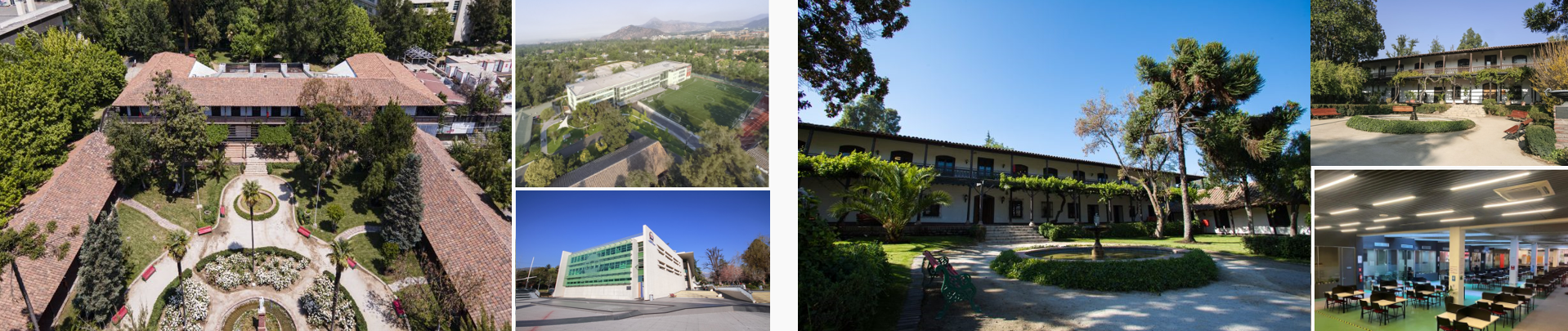
Location

Aquí encontrará indicaciones para llegar al lugar de la conferencia. Un espacio para reunirse y hacer networking

We meet at:

Fernández Concha 700, Las Condes - Santiago

SEND US AN EMAIL:

statsei14conf@unab.cl

CALL US:

(+56 32) 2845320

Campus CASONA Las Condes